
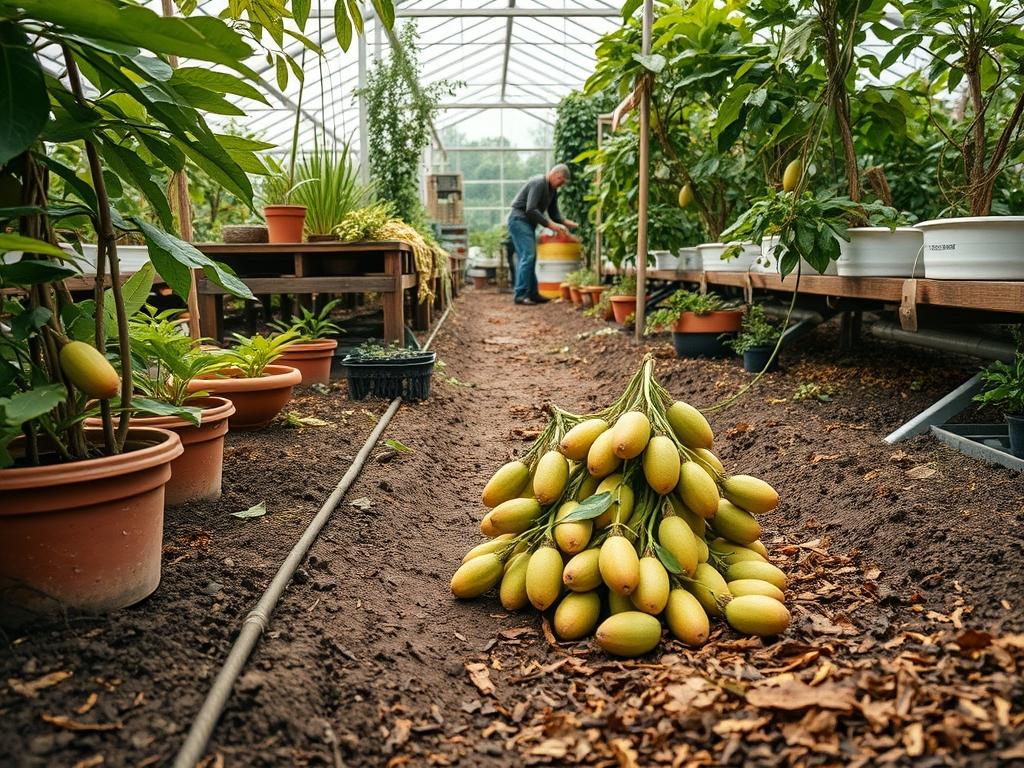
Integrating edible aesthetics into a luxury landscape requires a sophisticated balance between horticultural precision and architectural form. When we design for clients in subtropical or temperate Mediterranean climates, the longan tree, known botanically as Dimocarpus longan, often serves as the cornerstone of the productive garden. The challenge for a landscape architect is to ensure that this tree provides not only a bountiful harvest but also serves as a structural focal point throughout the physical seasons. Harvesting Garden Longans in late summer is a strategic choice rooted in heat accumulation and physiological maturity. By the time August or September arrives, the fruit has undergone the essential brix development necessary for that signature musky sweetness. From a curb appeal perspective, a longan tree laden with its tan, grape-like clusters provides a texture that is visually distinct from common citrus or stone fruit, offering a sophisticated, global flair to the residential estate.
Thoughtful outdoor environment planning treats the harvest as a functional event that dictates the layout of the surrounding hardscape. If the tree is tucked away in an inaccessible corner, the harvest becomes a chore rather than a celebrated transition of seasons. We prioritize accessibility by integrating stone pavers or decomposed granite walkways that lead directly to the dripline of the tree. This ensures that even in late summer, when soil can be dry or erratic afternoon thunderstorms may occur, the homeowner has a stable, mud-free path to reach the fruit. Furthermore, the canopy of a mature longan tree offers dense, evergreen shade, which acts as a cooling mechanism for the garden during the peak heat of the harvest month. This cooling effect can lower the ambient temperature of adjacent outdoor living spaces by several degrees, making the harvest process much more comfortable for the gardener.
Landscape Design Principles
Successful garden planning relies on the principle of symmetry and the intelligent use of focal points to guide the eye across the property. When the longan tree is placed as a central anchor, it provides a sense of permanence due to its slow-to-moderate growth rate and dense foliage. We often use the tree to establish vertical layers within the garden. For example, a tall Longan Tree acts as the overstory, while species like Dwarf Mango or Gardenia provide the mid-level greenery. The ground plane is then finished with low-growing perennials or architectural grasses. This stratification mimics natural forest structures, which not only looks more professional but also creates a self-sustaining microclimate that benefits the fruit quality.
Elevation planning is another critical component often overlooked by amateur gardeners. Positioning the longan on a slight mound or a raised terrace can significantly improve drainage, which is vital for fruit production. In late summer, when irrigation demands are high but the risk of tropical deluges persists, the elevation ensures that the root zone remains oxygenated. Visual balance is achieved by mirroring the longan with another evergreen of similar mass on the opposite side of a formal lawn or by flanking a retaining wall with smaller fruit varieties. Irrigation planning must be discretized; we typically install a dedicated zone for fruit trees using inline drip emitters to deliver water directly to the root ball without wetting the foliage, which reduces the risk of fungal pathogens like anthracnose during the humid summer months.
Plant and Material Selection
Selecting the right companions for the longan ensures that the landscape remains vibrant even when the tree is not in its peak harvest phase. The following table outlines the technical requirements for a balanced, edible landscape.
| Plant Type | Sun Exposure | Soil Needs | Water Demand | Growth Speed | Maintenance Level |
| :— | :— | :— | :— | :— | :— |
| Longan Tree | Full Sun | Well-drained | Moderate | Medium | Medium |
| Dwarf Mango | Full Sun | Sandy Loam | Low to Moderate | Slow | Low |
| Bird of Paradise | Partial Sun | Rich, Loamy | Moderate | Medium | Low |
| Liriope | Shade to Sun | Any | Low | Fast | Very Low |
| Gardenia | Partial Sun | Acidic | High | Medium | High |
| Star Jasmine | Full to Partial | Well-drained | Moderate | Fast | Medium |
Complementary materials are just as important as the plants themselves. Using dark basalt mulch or pine bark nuggets at a depth of 3 inches provides a clean, professional finish while suppressing weeds and retaining soil moisture. For hardscaping, we recommend natural slate or flagstone for walkways to maintain a high-end aesthetic that blends with the organic forms of the garden.
Implementation Strategy
The transition from a design on paper to a physical landscape begins with professional-grade site preparation. Grading is the first and most crucial step; the soil must be sloped at a minimum of 2 percent away from any permanent structures or the base of the fruit trees to prevent standing water. We use a laser level to ensure the grade is precise before any planting begins. Once the grading is finalized, we mark the layout using landscape marking paint to visualize the placement of the longan tree in relation to existing hardscapes and sightlines from the home windows.
Edging provides the crisp definition that separates a professional landscape from a backyard DIY project. We prefer using 14-gauge steel edging or poured concrete borders to create permanent boundaries between the lawn and the planting beds. This prevents grass from encroaching on the mulch rings surrounding your trees. When planting the longan, the hole should be twice as wide as the root ball but no deeper. We often incorporate a slow-release organic fertilizer into the backfill soil to provide a steady supply of nutrients. For drainage, if the site has heavy clay, we install a French drain system consisting of 4-inch perforated PVC pipe and 1/2-inch river rock to divert excess water away from the root zone.
Common Landscaping Failures
The most frequent mistake in edible landscaping is root overcrowding. Designing with the tree’s size at maturity in mind is essential; a longan tree can eventually reach a spread of 15 to 20 feet. Planting too close to a house foundation or a retaining wall will eventually lead to structural damage as the roots expand. Another common failure is improper mulch application. While mulch is beneficial, piling it against the trunk, often called volcano mulching, traps moisture against the bark and invites rot and pest infestation. A clear space of 2 to 3 inches should always be maintained around the base of the trunk.
Irrigation inefficiencies also plague many garden designs. Many homeowners rely on overhead sprinklers, which are highly inefficient for deep-rooted trees and can lead to leaf burn and fruit splitting. A professional system utilizes a smart irrigation controller that adjusts watering schedules based on local weather data. Finally, soil compaction during the construction phase can lead to poor tree health. We use aeration tools or air spades to loosen the soil in the planting zones if heavy machinery was used nearby. This ensures that the delicate feeder roots can penetrate the soil and access the nutrients required for a heavy late-summer crop.
Seasonal Maintenance
Maintaining a professional landscape is a year-round commitment that changes with the signals of the environment. In the spring, the focus is on growth and preparation. We recommend a vigorous application of compost and a refresh of the mulch layer to prepare for the heating months. Pruning should be performed early in the spring to remove any dead or crossing branches, which improves airflow through the interior of the canopy.
During the summer, the primary goal is water management and monitoring fruit development. As the longan fruit begins to swell, the tree requires consistent moisture to prevent dropping the crop. Once the harvest concludes in late summer, it is the ideal time to perform minor structural pruning to maintain the desired height and shape for the following year. In the autumn, we reduce irrigation frequency as the tree enters a slower growth phase. This is also the best time to apply a potassium-rich fertilizer to strengthen the root system before the cooler weather. During winter, maintenance is minimal; however, in regions prone to occasional frost, having frost blankets or burlap wraps on hand is a necessary precaution to protect the evergreen foliage of the longan tree from cold damage.
Professional Landscaping FAQ
How do I know if my longan is ready for harvest?
Check for a deep tan color and a slight softening of the shell. The internal fruit should be translucent and separate easily from the seed. Taste one fruit from the cluster; late summer provides the peak sugar concentration.
What is the best way to handle poor soil drainage?
Install a French drain or create a bioswale to redirect water. Alternatively, plant the longan on a raised mound at least 12 inches above the existing grade using a high-quality sandy loam soil mix.
How often should I prune a mature longan tree?
Perform a major structural prune every two to three years after the late summer harvest. Annually, remove any diseased wood or water sprouts that emerge from the base to maintain the tree’s health and aesthetic form.
Can I grow longans in a small urban backyard?
Yes, you can utilize aggressive pruning techniques or select a specific cultivar known for a smaller habit. Ensure the tree remains a minimum of 10 feet from any structures to allow for proper airflow and root expansion.
What type of mulch is best for fruit-producing landscapes?
Choose a medium-textured hardwood mulch or pine bark. These materials decompose slowly, providing organic matter to the soil while maintaining a professional appearance. Avoid dyed mulches, which may contain chemicals unsuitable for edible garden areas.