
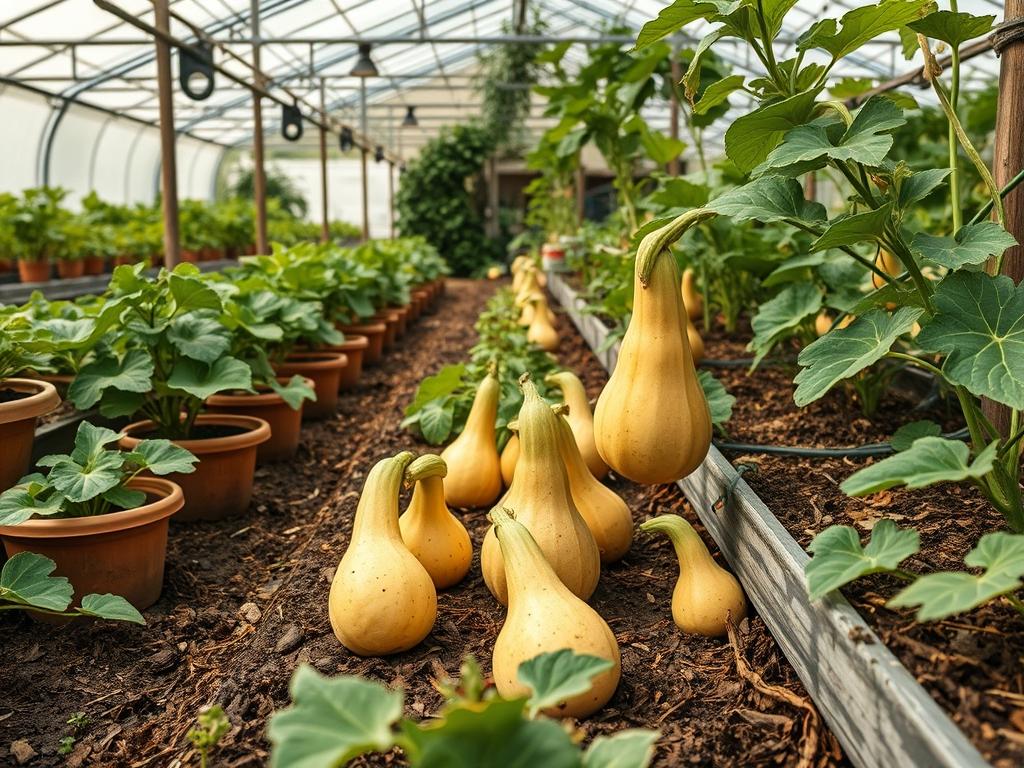
The transition from late summer to autumn marks a critical period for any professionally managed landscape, particularly those that integrate ornamental or edible elements like gourds. Residential landscapes are not merely collections of plants; they are carefully engineered environments where aesthetic appeal must balance with biological deadlines. Picking fresh gourds before the first frost is a non-negotiable task for the discerning property owner. When a hard freeze hits, the water inside these thick-skinned fruits expands, ruptures the cellular walls, and leaves the gourd prone to immediate rot. From a landscape architecture perspective, allowing rotting organic matter to linger on trellises or retaining walls compromises the site’s cleanliness and can attract unwanted rodents or fungal pathogens. A clean harvest ensures that the structural elements of the garden remain pristine as the landscape enters its dormant phase.
Successful outdoor environments depend on the interplay between seasonal cycles and permanent hardscaping. If gourds are left to wither on the vine past their prime, they detract from the curb appeal that homeowners work throughout the spring and summer to maintain. The weight of heavy, water-logged gourds can also stress overhead pergolas or archways that were not designed to support soggy, decaying biomass. By picking fresh gourds at the precise moment of maturity, typically indicated by a browning stem and a hard, fingernail-resistant rind, you preserve the visual narrative of the garden. This transition from a lush, green growing space to a structured, autumnal display is a hallmark of high-end landscape management. It demonstrates an understanding of the site’s microclimate and a commitment to maintaining the functional integrity of the soil and support structures.
Landscape Design Principles
Integrating gourds into a professional landscape requires an understanding of verticality and focal points. Because many gourd species, such as the Birdhouse Gourd, are vigorous climbers, they offer an excellent opportunity to add elevation layers to a flat garden bed. Using sturdy cedar obelisks or 6-foot iron powder-coated trellises allows the landscape architect to create immediate height. These structures should be placed with symmetry in mind, perhaps flanking a limestone walkway or acting as a backdrop to a formal seating area. The placement must also account for the visual balance of the property; the large, coarse leaves of gourd vines provide a heavy texture that should be balanced with finer-foliaged plants nearby.
Irrigation planning is another vital design principle when dealing with large-scale vines. Subsurface drip irrigation lines are preferred over overhead sprinklers to minimize leaf moisture and prevent powdery mildew. Designers must ensure that the grading around the vine base allows for efficient water infiltration without causing pooling near hardscape foundations. When planning walkways near gourd patches, it is essential to use non-slip pavers or crushed slate to maintain a clean aesthetic, as the vines can quickly overwhelm poorly defined edges. A well-defined border, created with 4-inch steel edging, keeps the vigorous growth contained and maintains the landscape’s sharp lines.
Plant and Material Selection
| Plant Type | Sun Exposure | Soil Needs | Water Demand | Growth Speed | Maintenance Level |
| :— | :— | :— | :— | :— | :— |
| Birdhouse Gourd | Full Sun | Loamy, Well-Drained | High | Fast | Moderate |
| Luffa (Sponge Gourd) | Full Sun | Rich Organic Matter | High | Very Fast | High |
| Turks Turban | Full Sun | Sandy Loam | Medium | Moderate | Low |
| Speckled Swan Gourd | Full Sun | Deep, Fertile Soil | High | Fast | High |
| French Marigold | Full Sun/Part Shade | Standard Potting Mix | Medium | Moderate | Low |
Implementation Strategy
Building a landscape that supports heavy gourds starts with site preparation. Begin by assessing the grading of the area to ensure a 2 percent slope away from any residential structures. This prevents water from stagnating around the root zones. Once the grade is established, install a heavy-duty landscaping fabric in areas designated for walkways to suppress weeds, topping it with 3 inches of cedar mulch for moisture retention and aesthetic consistency. For the planting zones, incorporate organic compost to a depth of 12 inches to provide the nutrient density required for rapid vine growth.
The layout should prioritize airflow. Space individual plants at least 4 feet apart to prevent the canopy from becoming a stagnant moisture trap. As the vines grow, use soft garden twine or Velcro plant ties to train them onto 8-foot galvanized steel cattle panels. This vertical approach keeps the fruit off the ground, ensuring that when it comes time for picking fresh gourds, the rinds are free of soil stains and insect damage. For drainage management, if the soil has high clay content, consider installing a French drain system or a gravel-lined trench topped with decorative river rock to divert excess runoff during the heavy rainfalls of late summer.
Common Landscaping Failures
One of the most frequent mistakes in gourd-centric landscaping is improper spacing, which leads to root overcrowding. When roots compete for the same narrow band of nutrients, the entire vine becomes stressed, leading to smaller fruit and increased susceptibility to cucumber beetles. Another failure is poor soil compaction management. Heavy foot traffic near the base of the vines compresses the soil, destroying the pore space necessary for oxygen to reach the roots. Professional consultants recommend creating dedicated flagstone stepping stones to direct traffic and protect the root zone.
Irrigation inefficiencies also rank high among common failures. Homeowners often utilize a one-size-fits-all approach to watering, but gourds require deep, consistent moisture that tapers off as the fruit matures. Over-watering in the final weeks can cause the gourds to split, ruining the harvest before picking fresh gourds is even possible. Furthermore, ignoring the Cation Exchange Capacity (CEC) of the soil can lead to nutrient lock-out. Without the right balance of calcium and magnesium, the vines may look lush but fail to produce fruit with a durable, cure-worthy rind.
Seasonal Maintenance
Managing a landscape throughout the year requires a proactive schedule. In the spring, the focus is on soil preparation and the installation of structural supports. This is the time to check the integrity of retaining walls and ensure that irrigation timers are calibrated correctly. Summer maintenance involves aggressive pruning to direct energy toward fruit production rather than excessive foliage. Use bypass pruners to remove any secondary runners that are not supporting fruit, ensuring the plant’s energy is concentrated.
As autumn arrives, the primary task is monitoring the weather for frost warnings. Picking fresh gourds must be completed when the stems turn woody but before the temperature drops below 32 degrees Fahrenheit. After harvest, clear the dead vines immediately to prevent them from becoming a winter habitat for pests. In the winter, the focus shifts to hardscape care. Clean any wooden trellises with a 10 percent bleach solution to kill overwintering fungal spores. This is also the time to apply a 2-inch layer of fresh mulch to protect the soil from erosion during the freeze-thaw cycles of the colder months.
Professional Landscaping FAQ
When is the absolute best time for picking fresh gourds?
Harvest when the stems turn brown and the skin is too hard to be pierced by a fingernail. Ensure this occurs before the first frost to prevent internal expansion and subsequent rotting of the fruit.
How do I prevent drainage issues in my gourd garden?
Install a French drain or ensure the area has a 2 percent grade away from the planting zone. Using raised beds with a sandy loam soil mix also significantly improves drainage and root health.
What tools are essential for harvesting without damaging the vines?
Use sharp bypass pruners or heavy-duty garden loppers to cut the stem, leaving at least 2 inches of handle attached to the gourd. This prevents the entry of bacteria through the top of the fruit.
Can gourds be grown on a standard chain-link fence?
While possible, the weight of heavy varieties like the Bushel Gourd can compromise the tension of the fence. It is better to use reinforced steel panels or custom-built timber pergolas for long-term structural stability.
Why is mulch depth important for my gourd patch?
A 3-inch mulch layer regulates soil temperature and suppresses weeds that compete for nutrients. It also provides a clean resting surface for any gourds that are grown on the ground rather than vertically.