
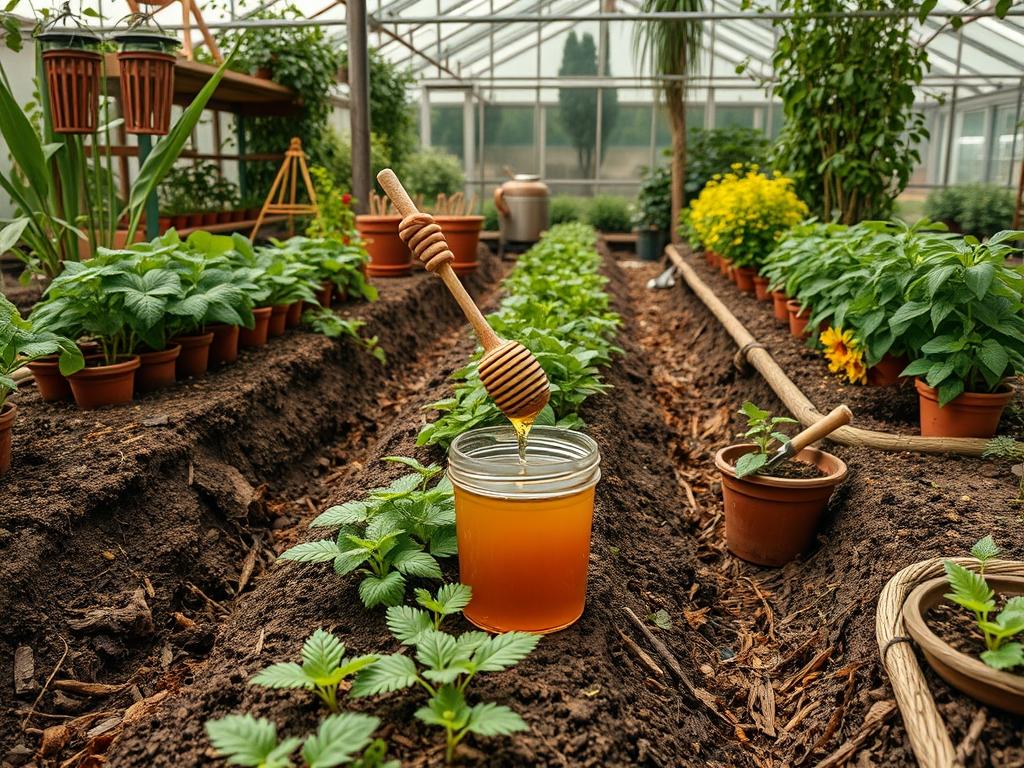
Integrating a functional apiary into a modern residential landscape requires a sophisticated balance between aesthetic appeal and ecological utility. As a landscape architect, I view the placement of honeybee hives not merely as a hobbyist addition, but as a structural focal point that dictates the flow of the entire outdoor environment. The primary challenge lies in managing the microclimate of the site while ensuring that the infrastructure supports the intensive labor required for picking ripe honey during the peak of the nectar flow. Curb appeal often suffers when utility areas are neglected; therefore, we treat the apiary as a primary architectural element. This involves selecting materials that harmonize with the existing residence and utilizing plant palettes that provide both visual interest and high-protein forage for the colony. Proper site analysis must account for wind patterns, solar orientation, and the accessibility of water sources, all of which influence the health of the hive and the quality of the harvest. A well-planned garden does more than sustain the bees; it creates a structured sanctuary where the transition from ornamental flower beds to the functional harvest zone is seamless and intentional.
The functionality of the outdoor space is dictated by the owner’s ability to navigate the terrain under heavy loads. When the time comes for picking ripe honey, the landscape must facilitate the movement of heavy supers and extraction equipment across stable surfaces. We prioritize the installation of Permeable Pavers or Crushed Granite paths that remain firm even after heavy rainfall. Furthermore, the elevation of the hives must be considered to prevent back strain and to ensure adequate air circulation to mitigate fungal growth within the colony. By applying professional landscaping principles such as spatial hierarchy and site-specific drainage, we transform a simple backyard into a productive estate. The goal is a landscape that looks intentional during the dormant winter months and remains highly operational during the frantic energy of the summer harvest, providing a sustainable environment for both the insects and the gardener.
Landscape Design Principles
Symmetry and focal points serve as the backbone of any professional landscape plan. In a garden designed for apiary success, the hive often serves as a terminus for a visual axis, perhaps framed by Evergreen Hedges or a low-profile Retaining Wall. We use the hive’s architectural lines to dictate the layout of surrounding beds, ensuring that the visual balance of the yard is maintained. If the hives are placed asymmetrically, we counterbalance their visual weight with large-scale plantings or structural elements like a Pergola or a water feature. This creates a sense of equilibrium that prevents the apiary from looking like an afterthought.
Elevation layers play a critical role in both aesthetics and colony health. We often design tiered garden beds using Cedar Timbers or Natural Fieldstone to create a vertical transition between the foraging area and the hive platform. These layers provide a windbreak for the bees and a clear boundary for the human occupants of the space. Drainage planning is equally vital; hives must be situated on a slight gradient, typically a 2 percent slope, to ensure that moisture does not pool around the base of the structure. We implement French Drains or Dry Creek Beds to manage runoff, protecting the wood of the hives from rot and maintaining the integrity of the surrounding soil.
Walkways must be wide enough to accommodate a wheeled cart or wheelbarrow, generally requiring a minimum width of 36 inches. We prefer using materials like Flagstone set in a Mortar Bed or Decomposed Granite for these paths. These materials provide the necessary stability for the beekeeper when they are picking ripe honey, as carrying heavy equipment on uneven grass leads to accidents and spills. Finally, irrigation planning must be precise. We utilize Drip Irrigation systems to deliver water directly to the root zones of pollinator plants, avoiding overhead sprayers that can disturb the bees or increase the humidity levels around the hive entrance.
Plant and Material Selection
| Plant Type | Sun Exposure | Soil Needs | Water Demand | Growth Speed | Maintenance Level |
| :— | :— | :— | :— | :— | :— |
| Lavender (Lavandula) | Full Sun | Well-Drained/Sandy | Low | Medium | Low |
| Purple Coneflower (Echinacea) | Full Sun | Loamy/Neutral | Moderate | Fast | Low |
| Bee Balm (Monarda) | Full to Part Sun | Rich/Moist | High | Fast | Medium |
| Russian Sage (Perovskia) | Full Sun | Dry/Alkaline | Very Low | Fast | Low |
| White Clover (Trifolium repens) | Full to Part Sun | Any/Poor | Moderate | Rapid | Minimal |
| Serviceberry (Amelanchier) | Full to Part Sun | Acidic/Loamy | Moderate | Medium | Moderate |
| Anise Hyssop (Agastache) | Full Sun | Well-Drained | Low | Fast | Low |
Implementation Strategy
The successful implementation of a garden layout begins with precise site grading. We start by using a Transit Level to determine the highest and lowest points of the property. For the apiary section, the ground must be leveled using a Base Layer of Compacted Gravel followed by a Leveling Sand. This prevents the hives from shifting or sinking as they gain weight through the season. Once the foundation is set, we use Surveyor Stakes and Masonry Line to mark the boundaries of paths and garden beds, ensuring that all geometric shapes are crisp and intentional.
Edging is the next critical step in maintaining a professional look. We recommend Steel Edging or Heavy-Duty Aluminum to create a sharp transition between the lawn and the mulch beds. This prevents grass from encroaching on the hive area, which can hinder the process of picking ripe honey by creating tripping hazards or concealing pests. Within the beds, we apply a 3-inch layer of Hardwood Mulch to suppress weeds and retain moisture. This mulch depth is calculated to provide insulation for the soil while allowing the roots of the pollinator plants to breathe.
Hardscaping elements, such as a dedicated honey extraction pad, should be constructed from Poured Concrete or Large Format Pavers. This area serves as the staging ground for the harvest. We ensure that the pad is located within twenty feet of the hives but far enough away to allow the bees to settle after the supers are removed. By organizing the backyard into functional zones, the transition from garden maintenance to honey production becomes a simplified, professional operation.
Common Landscaping Failures
One of the most frequent mistakes in hobbyist apiary landscaping is improper drainage management. When water pools near the hive, it increases the ambient humidity, making it difficult for the bees to cure the nectar into honey. We often see hives placed in low-spots where Siltation occurs, leading to soil compaction and dead zones in the turf. Avoiding this requires a proactive approach to site contouring and the installation of Catch Basins where necessary.
Root overcrowding is another common failure, particularly when homeowners plant fast-growing shrubs too close to the hive entrance. Over time, the root systems of larger plants can heave the hive platform, destroying the level surface required for picking ripe honey. We advise a minimum clearance of 5 feet between the hive and any woody perennial. Furthermore, irrigation inefficiencies, such as misaligned sprinkler heads that spray the hive, can cause the wood to warp and the colony to become defensive.
Soil compaction is often overlooked during the construction phase. Using heavy machinery near the hive area without laying down Plywood Sheets or AlturnaMats can crush the soil structure, preventing healthy plant growth for years to come. We also warn against the use of chemical pesticides in a landscape designed for honey production. Even systemic treatments on ornamental plants can compromise the health of the colony, leading to poor yields and tainted honey during the picking phase.
Seasonal Maintenance
In the spring, management focuses on rejuvenation and site preparation. We conduct a thorough inspection of the Irrigation Valves and clean out any Drainage Grates that have become clogged with winter debris. This is the optimal time to apply a Slow-Release Organic Fertilizer to the pollinator beds and to prune back any winter-damaged foliage on the Evergreen Shrubs. Ensuring that the flight path is clear of obstructions is vital as the bees begin their foraging cycles.
Summer is the most active season, as it involves picking ripe honey and managing peak growth. We prioritize deadheading spent blooms to encourage a second flush of flowers, ensuring a continuous food supply for the bees. Regular mowing should be done with a Mulching Deck to keep the grass short around the hive, reducing the habitat for small hive beetles and ticks. We also monitor the moisture levels in the soil, as high heat can quickly stress even drought-tolerant species like Russian Sage.
Autumn involves preparing the landscape for the dormant period. We install Windbreaks or Hessian Screens if the winter winds are particularly harsh in the region. Perennials are typically left standing until late winter to provide habitat for beneficial insects, but we ensure that all fallen leaves are cleared from the hive base to prevent moisture retention. Winter maintenance is minimal, focusing on the structural integrity of the hardscape and ensuring that heavy snow loads do not collapse any Arbors or support structures within the apiary zone.
Professional Landscaping FAQ
How much space is needed for a backyard apiary?
Maintain at least a 10-foot by 10-foot area for the hives and hive stands. This provides enough clearance for the beekeeper to stand behind the equipment when picking ripe honey and ensures the bees have a clear flight path.
What is the best mulch for use near beehives?
Use Cedar Mulch or Hardwood Bark. These materials decompose slowly and do not blow away easily. Avoid light materials like pine straw that can obstruct the hive entrance or become a fire hazard during smoker use.
How do I prevent weeds from growing under the hives?
Install a Heavy-Duty Landscape Fabric beneath a layer of Crushed Stone. This creates a clean, permanent barrier that prevents weed growth and provides a stable, dry surface for the beekeeper to work on during the honey harvest.
Can I use a lawn mower near the hives?
Yes, but use a Mulching Mower and avoid discharge toward the hive entrance. It is best to mow during the early morning or late evening when bee activity is lower to minimize the risk of being stung during maintenance.
Why is drainage so important for honey production?
Excessive moisture leads to High Humidity, which makes it difficult for bees to evaporate water from nectar. Proper drainage and site grading ensure the colony stays dry, which is essential for picking ripe honey that meets moisture standards.