
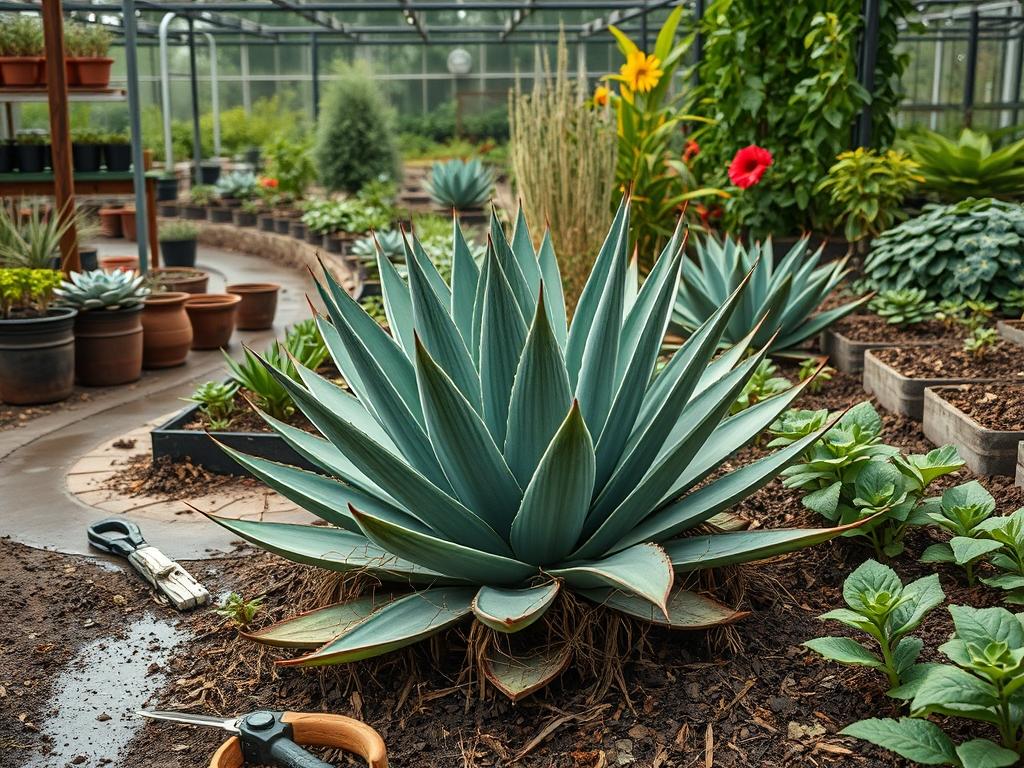
Integrating the Agave americana or Agave salmiana into a high end residential landscape requires a strategic shift in perspective, moving from the immediate gratification of annual blooms to the slow, sculptural evolution of a desert centerpiece. For many homeowners, the goal of harvesting garden agave for nectar represents a profound commitment to long term site management, as these plants often require ten to twenty five years of growth before they reach the physiological maturity necessary for sugar production. This timeline dictates every aspect of the surrounding garden design, from the durability of the hardscaping to the placement of companion perennials that must thrive alongside the agave for decades. In arid or semi arid climates, the agave acts as a structural anchor, providing a sense of permanence and architectural definition that few other succulents can match. However, the eventual harvest involves a significant change to the landscape profile, usually resulting in the removal of the parent plant to access the aguamiel or sap. This creates a unique landscaping challenge: maintaining curb appeal while planning for the eventual extraction of a massive specimen that may weigh several hundred pounds. Balancing this utility with aesthetic functionality requires careful elevation planning and a deep understanding of soil mechanics.
Landscape Design Principles
When designing a property around large scale agaves, professional architects prioritize visual weight and symmetry to create a sense of order within a water wise environment. The agave serves as a primary focal point, drawing the eye toward specific axes of the property, such as a main entryway or the center of a circular gravel court. To prevent the landscape from appearing flat, we utilize elevation layers, raising the Agave tequilana or similar species on slight mounds or within retaining walls built from native limestone. This elevation serves a dual purpose: it emphasizes the plant’s spiraling geometry while simultaneously facilitating the rapid drainage essential for preventing crown rot.
Waterfront views or backyard retreats often benefit from the repetition of form; planting agaves in a rhythmic sequence along a decomposed granite walkway creates a sophisticated, gallery like atmosphere. This approach requires precise irrigation planning to ensure that while the agaves remain thirsty, their more delicate neighbors receive sufficient hydration. Visual balance is achieved by offsetting the stiff, sword like leaves of the agave with softer textures, such as Bouteloua gracilis or other ornamental grasses that sway in the breeze. This contrast highlights the rigidity of the agave, making its presence feel more intentional and permanent. Furthermore, landscape architects must account for the mature width of the plant, often reaching 6 to 10 feet in diameter, to ensure that walkways remain navigable without the risk of injury from sharp terminal spines.
Plant and Material Selection
The following table outlines the technical requirements for agaves and their common landscape companions, focusing on the specific needs of a nectar focused garden.
| Plant Type | Sun Exposure | Soil Needs | Water Demand | Growth Speed | Maintenance Level |
| :— | :— | :— | :— | :— | :— |
| Agave salmiana | Full Sun | Well Draining / Sandy | Low | Slow | Low |
| Agave americana | Full Sun | Rocky / Lean | Very Low | Moderate | Low |
| Desert Marigold | Full Sun | Gritty | Moderate | Fast | Medium |
| Palo Verde Tree | Full Sun | Deep / Porous | Low | Fast | Medium |
| Blue Fescue | Partial Shade | Loamy | Moderate | Moderate | Medium |
| Sotol | Full Sun | Alkaline / Rocky | Low | Moderate | Low |
For the hardscaping elements, we recommend basalt gravel, river rocks, or crushed quartz as a top dressing. These materials suppress weeds and regulate soil temperature without retaining the excessive moisture that organic mulches might hold. Using a non woven geotextile fabric beneath the stone layer prevents soil mixing while allowing the agave’s roots to breathe.
Implementation Strategy
Successful implementation begins with site grading to ensure that the “heart” or “piña” of the agave never sits in standing water. When planning a backyard layout, the process should start with a laser level to identify low spots. We recommend creating a 3 percent grade away from the base of the plant. For the planting hole, excavate an area twice the width of the root ball but no deeper than the original pot. Backfill with a custom mix consisting of 50 percent pumice, 25 percent coarse sand, and 25 percent native soil. This ensures maximum aeration and drainage efficacy.
Edging is critical for a professional finish. Use 1/4 inch steel edging to create clean borders between the agave beds and adjacent turf or groundcover areas. This prevents the spreading of “pups” or offsets from encroaching on other garden zones. If the plan includes eventual nectar harvesting, ensure there is a clear 6 foot wide path for a heavy duty wheelbarrow or a hand truck to access the site. When the agave is ready for harvest, the plant will need to be topped and moved, which is a significant logistical undertaking that must not destroy the surrounding hardscape.
Common Landscaping Failures
The most frequent error in agave focused landscaping is root overcrowding. Homeowners often underestimate the sheer scale of a mature Agave salmiana. When these plants are situated too close to concrete foundations or underground utility lines, their powerful root systems can cause structural shifting or blockages. Another common issue is soil compaction resulting from heavy foot traffic or improper machine use during the construction phase. Compacted soil loses its ability to drain, leading to the dreaded “black rot” that can kill a decade old specimen in a single wet season.
Irrigation inefficiencies also plague many xeriscaped gardens. While agaves are drought tolerant, they require deep, infrequent watering during their first two years to establish a hearty root system. Installing a drip irrigation system with two gallon per hour emitters is the industry standard. However, placing emitters directly against the plant’s base is a mistake; they should be positioned at the drip line of the leaves to encourage outward root growth. Finally, neglecting to provide adequate drainage for the interior of the plant’s rosette during winter months can lead to ice damage in cooler zones, which may delay the maturation process and postpone the potential for nectar harvest.
Seasonal Maintenance
Seasonal management of a professional agave garden varies by climate but generally follows a strict calendar. In the Spring, the focus is on “un-trapping” the plant. Use a long handled brush to remove leaf litter and debris from the central core. This is also the time to apply a slow release, low nitrogen fertilizer to support the slow growth cycle. Summer maintenance involves monitoring for the Agave Snout Weevil, a pest that can destroy a large plant from the inside out. Inspect the lower leaves for telltale puncture marks or softening of the tissue.
During the Autumn, homeowners should prune any dead lower leaves using a clean, sharpened machete or a specialized agave knife. This “limbing up” process keeps the plant looking tidy and reveals more of its architectural trunk. As Winter approaches, protection is key for younger plants or more sensitive species. Use burlap wraps or frost blankets during extended periods of sub freezing temperatures. Avoid plastic covers, as they trap moisture and can cause fungal outbreaks. This consistent seasonal attention ensures the plant remains healthy enough to produce high quality sugars when it finally reaches its life’s conclusion.
Professional Landscaping FAQ
How do I know when my agave is ready for nectar harvesting?
Nectar accumulation peaks just before the emergence of the central flower stalk, known as the quiote. Look for a thickening of the central core and an increase in sugar concentration signs around year twelve for most large varieties.
Can I move a large agave once it is established?
Moving a mature agave is difficult due to its weight and brittle leaves. It is best to plan its permanent location during the initial design phase. If necessary, use heavy duty straps and a skid steer for relocation.
Which agave variety is best for high end curb appeal?
The Agave ovatifolia, or Whale’s Tongue Agave, is highly prized for its symmetrical, powdery blue leaves and its resistance to both cold and common pests, making it a reliable choice for professional installations.
What is the best way to manage agave offsets or pups?
Remove pups early using a sharp spade to prevent them from sapping nutrients from the mother plant. These can be potted and used in other areas of the landscape or given away to maintain the original design intent.
Does harvesting nectar kill the plant?
Yes, the process of “cutting the heart” to collect the sap prevents the plant from flowering and completing its lifecycle, essentially ending its life. This is why planning for a replacement focal point is essential for the landscape’s longevity.