
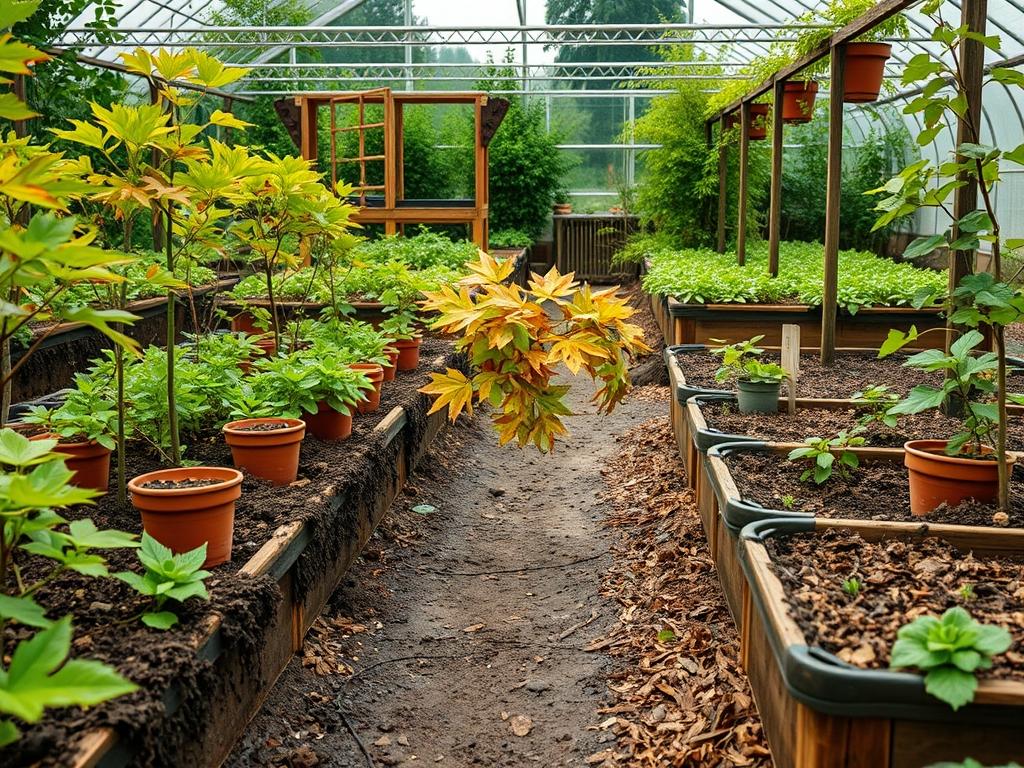
Integrating a productive harvest into a residential environment requires a sophisticated approach to site planning. When a homeowner ventures into the world of picking fresh sugar maple, they are not merely adding a tree to their lawn; they are installing a significant piece of biological infrastructure that will dictate the property’s layout for decades. The primary landscaping challenge lies in balancing the massive root systems and canopy spreads of these majestic hardwoods with the functional needs of a modern yard. Unlike ornamental shrubs, a mature Sugar Maple (Acer saccharum) can reach heights of 80 feet, casting deep shade that drastically alters the microclimate of the surrounding area. Designers must account for the specific climate transitions required for sap flow, prioritizing northern or eastern exposures where the freeze and thaw cycle is most consistent. Beyond the biological needs, the aesthetic impact is profound. A well-placed maple serves as a dominant focal point, providing vibrant autumnal color that enhances curb appeal while simultaneously offering the utility of a maple syrup source. Successful garden planning in this context ensures that the quest for fresh sap does not compromise the home’s foundation, the integrity of the driveway, or the health of the surrounding turf.
Landscape Design Principles
Symmetry and focal points are the cornerstones of a landscape designed for both beauty and harvest. When planning a sugarbush on a smaller residential scale, the placement of the Sugar Maple must be intentional. Ideally, these trees should be spaced at least 30 feet apart to allow for full canopy development and to prevent root competition. This spacing creates a natural rhythm in the landscape, providing an opportunity to use the trees as anchors for large, sweeping beds. By utilizing elevation layers, a designer can plant smaller, shade-tolerant species like Hostas or Ferns beneath the maple’s drip line, creating a lush, tiered effect that hides the seasonal wear and tear of sap collection.
Visual balance is achieved by counteracting the massive vertical presence of the maples with horizontal elements like stone walkways or low retaining walls. These hardscaping features are not just for show; they provide a stable, non-compacted surface for the homeowner to move heavy 5-gallon pails or transport collection buckets during the muddy spring thaw. Irrigation planning is equally critical. While maples are relatively hardy, they require consistent moisture during the summer months to produce the high sugar concentrations needed for the following year’s harvest. Subtle French drains or subsurface irrigation lines can be integrated into the design to manage runoff from the early spring melt, ensuring that the area around the base of the tree remains accessible and not a slurry of mud.
Plant and Material Selection
| Plant Type | Sun Exposure | Soil Needs | Water Demand | Growth Speed | Maintenance |
| :— | :— | :— | :— | :— | :— |
| Sugar Maple | Full Sun to Part Shade | Loamy, Well-drained | Moderate | Slow to Medium | Low once established |
| Red Maple | Full Sun | Moist, Acidic | High | Medium to Fast | Moderate |
| Serviceberry | Full Sun to Part Shade | Moist, Well-drained | Moderate | Medium | Low |
| Wild Ginger | Shade | Rich, Organic | Moderate | Slow | Very Low |
| Pennsylvania Sedge | Shade to Part Shade | Dry to Moist | Low | Medium | Low |
| River Birch | Full Sun | Wet, Acidic | High | Fast | Moderate |
Implementation Strategy
The transition from a conceptual drawing to a functional landscape begins with meticulous site preparation. Grading is the first step; the land should sloped gently away from the tree’s trunk to prevent water from pooling at the root flare, which can lead to fungal infections. Once the grade is established, designers should mark the specific locations for the Sugar Maple saplings using fluorescent marking paint. Before digging, it is essential to amend the soil with aged compost to ensure a rich, loamy environment that mimics the forest floor.
When the trees are in the ground, the focus shifts to defining the workspace. High-quality steel edging or granite cobbles should be used to delineate the mulch beds from the turf. A generous layer of shredded bark mulch, precisely 3 inches deep, should be applied in a wide circle around each tree. This mulch serves multiple purposes: it retains soil moisture, suppresses weed growth, and provides a clean, cushioned surface for setting down drills, bit braces, and spiles during the tapping process. Walkways composed of permeable pavers or crushed stone should lead directly to each tree, providing a designated path that prevents the soil compaction caused by frequent foot traffic during the muddy season.
Common Landscaping Failures
The most frequent mistake in a harvest-oriented landscape is improper drainage management. If the area surrounding a maple is consistently waterlogged, the roots will suffer from oxygen deprivation, leading to a decline in tree health and a significant drop in sap sugar content. Many homeowners also fail to account for the sheer weight of the sap they will be moving. Driving a utility tractor or a heavy ATV across a wet lawn to collect sap will cause severe soil compaction. This crushed soil prevents air and water from reaching the roots, effectively suffocating the tree over time.
Another common failure is root overcrowding. Planting large trees too close to retaining walls or walkways leads to surface roots heaving the hardscaping, creating trip hazards and unsightly cracks. Furthermore, many enthusiasts overlook the necessity of proper spacing between the trees and the home. A Sugar Maple planted too close to the house can cause gutter clogs from falling keys (samaras) and may eventually threaten the roofline. Finally, poor irrigation efficiency, such as using high-pressure sprayers that hit the trunk directly, can encourage the growth of lichens and fungi, which may complicate the process of picking fresh sugar maple by compromising the bark’s integrity.
Seasonal Maintenance
Maintenance requirements fluctuate with the seasons, demanding a proactive approach to tree health. In the spring, after the final spiles are removed and the tapping holes are left to heal naturally, the focus should be on soil recovery. Applying a balanced, slow-release fertilizer helps the tree replenish the energy spent during the sap run. As summer arrives, irrigation becomes the priority. Deep-soaking the root zone once a week is far more effective than daily light watering, as it encourages roots to grow deeper into the soil profile.
Autumn is the season for assessment. Landscapers should inspect the canopy for dead or diseased limbs, pruning them with bypass pruners or a pole saw only after the leaves have fallen but before the extreme cold sets in. It is vital to avoid heavy pruning in the late winter, as this can cause the tree to bleed sap excessively, wasting the very resource the owner intends to harvest. In winter, the maintenance is primarily protective. Applying a tree wrap to young maples can prevent sunscald, a condition where the bark cracks due to extreme temperature fluctuations on sunny winter days. This ensures the tree remains structurally sound and ready for the intensive process of picking fresh sugar maple when the first thaw arrives.
Professional Landscaping FAQ
What is the best soil pH for Sugar Maples?
Maples thrive in slightly acidic to neutral soil, typically between 5.5 and 7.3 pH. Use a soil test kit to check levels annually. If the soil is too alkaline, apply elemental sulfur to lower the pH for optimal growth.
How far should I keep maples from my foundation?
To protect your home, plant large maples at least 20 to 30 feet away from foundations. This prevents aggressive root systems from interfering with drainage pipes or causing structural heaving as the tree reaches its mature size over several decades.
Can I use salt on walkways near my maple trees?
Avoid using sodium chloride on paths near your trees. Salt runoff can be toxic to maples, causing leaf scorch and root damage. Instead, use calcium magnesium acetate or simple coarse sand to provide traction during the winter tapping season.
How do I prevent grass from dying under maples?
The dense canopy and shallow roots of a Sugar Maple make grass growth difficult. Instead of struggling with turf, plant shade-tolerant groundcovers or expand the mulch bed to the drip line to protect the roots and improve aesthetics.
When is the best time to prune for tree health?
The ideal time to prune for structural integrity is late summer or early autumn. Avoid pruning in late winter or early spring, as the high sap pressure will cause the wounds to weep, which can attract unwanted insects and pests.