
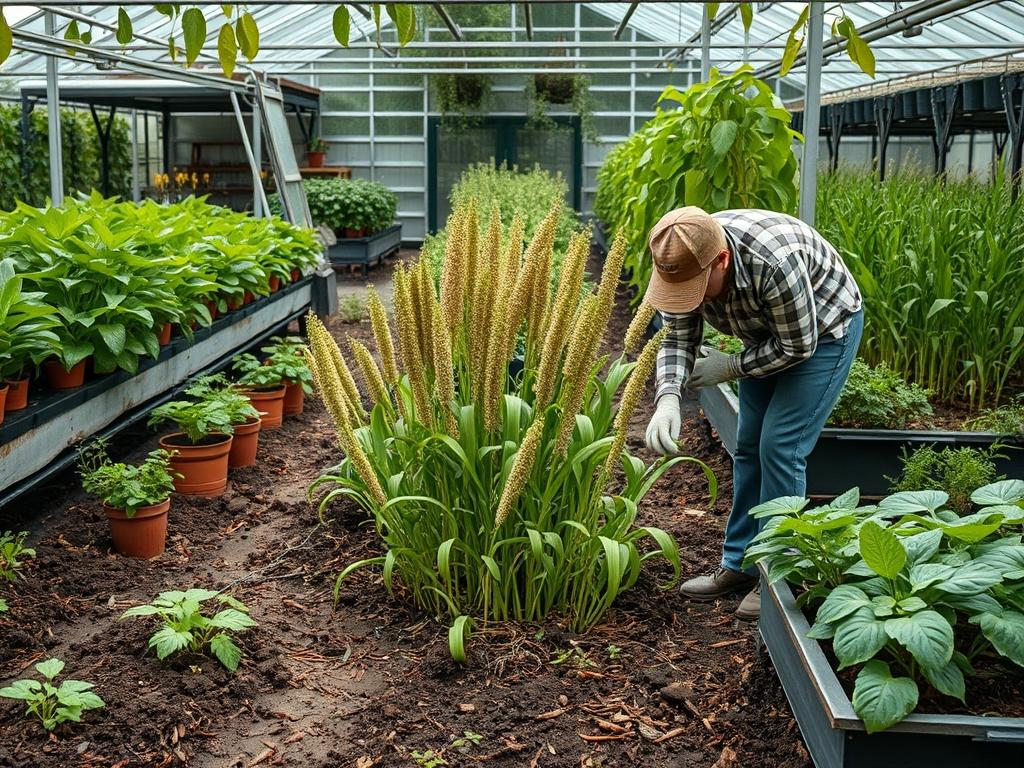
Integrating tall, architectural grasses like Sorghum bicolor into a residential or estate landscape requires a balance between aesthetic verticality and functional agricultural planning. Many homeowners see sorghum primarily as a field crop, yet its structural elegance provides a unique landscaping solution for those seeking seasonal privacy screens or dramatic focal points. From a design perspective, the primary challenge lies in managing its height, which can reach between 8 and 14 feet depending on the variety, while ensuring the site remains accessible for the eventual extraction of juice. For the landscape architect, Harvesting Garden Sorghum is not merely an end-of-season task; it is the culmination of a design cycle that utilizes the plant as a living wall before it transitions into a source of artisanal syrup. This dual-purpose approach requires careful consideration of the local microclimate, as sorghum thrives in heat but demands specific drainage patterns to prevent stalk rot before the harvest.
In high-end outdoor environments, the inclusion of sorghum contributes to a sense of “edimental” landscaping, where edible plants are used for their ornamental value. This trend promotes biodiversity and creates a shifting landscape that responds to the seasons. Because sorghum is a heavy feeder, it must be positioned strategically within the garden to avoid depleting the nitrogen levels of surrounding ornamental perennials. When planned correctly, the golden-brown seed heads and lush, corn-like foliage enhance the curb appeal of a property, providing a rustic yet sophisticated backdrop that contrasts beautifully with low-growing groundcovers or structured hardscaping.
Landscape Design Principles
Successful integration of sorghum into a master landscape plan relies on the principle of elevation layering. Given its extreme height, Sweet Sorghum should always occupy the rear of a border or the center of a circular island bed. This creates a natural amphitheater effect, allowing smaller flowering plants and mid-sized shrubs to remain visible in the foreground. Symmetry also plays a role. Using two flanking blocks of sorghum can frame a distant view or a central garden feature, such as a large stone fountain or a retaining wall.
Focal points are essential when dealing with tall graminoids. The movement of the stalks in the breeze adds a melodic, auditory component to the garden, but the visual weight of the plants requires balance. We recommend using a walking path at least 4 feet wide adjacent to the sorghum stands. This ensures that when the stalks reach full maturity, they do not lean over and obstruct pedestrian traffic. Irrigation planning is equally vital. Drip irrigation is the preferred method, as overhead watering can trap moisture in the leaf sheaths, leading to fungal issues that degrade the quality of the stalk for pressing. By burying irrigation lines beneath a layer of hardwood mulch, the landscape remains clean and organized while providing consistent moisture to the deep root systems.
Plant and Material Selection
Selecting the right variety and supporting materials is the foundation of a successful harvest. While Grain Sorghum is shorter and sturdier, Sweet Sorghum is the preferred choice for those interested in pressing the stalks for juice. The table below outlines the requirements for integrating these grasses into a professional landscape.
| Plant Type | Sun Exposure | Soil Needs | Water Demand | Growth Speed | Maintenance Level |
| :— | :— | :— | :— | :— | :— |
| Sweet Sorghum | Full Sun | Rich, well-drained | Moderate | Fast | Moderate |
| Zinnias | Full Sun | Loamy | Low | Moderate | Low |
| Switchgrass | Full/Part Sun | Versatile | Low | Moderate | Low |
| Hardwood Mulch | N/A | Weed suppression | N/A | N/A | Periodic |
| Compost | N/A | Nutrient dense | N/A | N/A | Annual |
Implementation Strategy
The implementation of a sorghum-focused landscape begins with site grading. Proper topography ensures that water does not pool at the base of the stalks, which could weaken the cellulose structure. We recommend a slight slope of 1 to 2 percent away from any hardscaping or structures. Once the grade is established, the soil should be amended with a high-quality compost to a depth of 6 inches.
For the layout, use metal edging or stone borders to define the sorghum beds. This prevents the tall grasses from encroaching on manicured lawn areas. Space the seeds approximately 4 to 6 inches apart within rows, with at least 30 inches between the rows. This spacing is critical for Harvesting Garden Sorghum, as it allows the landscape architect or homeowner to navigate the stand with machetes or lopping shears when it is time to strip the leaves.
The pressing process should be planned for well in advance. Designate a flat, hardened area, such as a paver patio or a gravel pad, where a sugar mill or hand-cranked press can be stabilized. This “utility zone” should be located near a water source to facilitate the cleaning of the equipment. When the seeds at the top of the stalk are in the “dough stage,” which is usually late summer or early autumn, the stalks are ready for cutting. Finalize the harvest by stripping the leaves while the stalks are still standing, then cut the stalks at ground level and move them immediately to the press to ensure the highest sugar content.
Common Landscaping Failures
One of the most frequent mistakes in tall-crop landscaping is a lack of wind protection. In open landscapes, a sudden storm can cause “lodging,” where the heavy stalks are flattened by the wind. To prevent this, consider planting sorghum against a picket fence or using bamboo stakes and garden twine for support. Another failure involves soil compaction. Because the harvest requires significant activity around the plants, constant foot traffic can compress the soil, damaging the roots of nearby ornamental plants. Using stepping stones or a thick mulch layer can distribute weight more effectively.
Irrigation inefficiencies also plague many garden plans. If the soil remains too wet during the final weeks of growth, the sugar concentration in the juice will be diluted. Landscape consultants often recommend tapering off water two weeks before the scheduled harvest to concentrate the brix levels. Finally, root overcrowding can lead to spindly stalks that produce very little juice. Ensure that you do not over-seed the area, as five thick, healthy stalks are more valuable for pressing than twenty thin, weak ones.
Seasonal Maintenance
Seasonal management of a sorghum landscape follows the rhythm of the warm-season growing cycle. In the spring, once the soil temperature reaches 65 degrees Fahrenheit, the first seeds can be sown. During this time, the focus is on weed suppression and ensuring the young shoots are not stifled by faster-growing invasive species.
By summer, the stalks will enter their rapid growth phase. This is the time for “side-dressing” with a balanced fertilizer to support the massive caloric needs of the plant. Monitor the stalks for pests like aphids or corn borers, using organic neem oil if necessary. Autumn is the season for the harvest. This involves the systematic removal of seed heads, which can be dried for birdseed or ornamental decor, followed by the pressing of the stalks.
In the winter, the sorghum beds should be cleared of all debris. Leaving old stalks in the ground can harbor pests and diseases that might affect next year’s crop. Use a rototiller to turn the remaining root matter back into the soil, or cover the bed with a winter cover crop like clover or winter rye to prevent erosion and maintain soil health until the next spring planting begins.
Professional Landscaping FAQ
When is the ideal time for Harvesting Garden Sorghum?
The optimal window is when the seeds at the top of the stalk reach a firm, dough-like consistency. This usually occurs approximately two weeks after the flowering stage has finished and the seeds transition from green to a bronze color.
Can I use a standard fruit press for sorghum stalks?
Standard fruit presses are generally not powerful enough for the fibrous nature of sorghum. You will need a specialized roller mill or a heavy-duty cane press to effectively crush the stalks and extract the viscous green juice required for syrup.
How do I prevent the stalks from falling over in high winds?
Planting in blocks rather than single rows allows the plants to support each other. For added security, install T-posts at the ends of the rows and run heavy-duty wire along the sides of the stand to provide a structural frame.
What should I do with the leftover pulp after pressing?
The leftover crushed fiber, known as bagasse, is an excellent addition to a compost pile. It is high in carbon and helps create a balanced nutrient profile when mixed with green kitchen waste or lawn clippings for future soil enrichment.
Does sorghum attract specific garden pests?
Sorghum can attract aphids and armyworms during the peak of summer. Regularly inspecting the underside of the leaves and maintaining a healthy population of beneficial insects, like ladybugs, will help manage these pests without the need for harsh chemical interventions.