
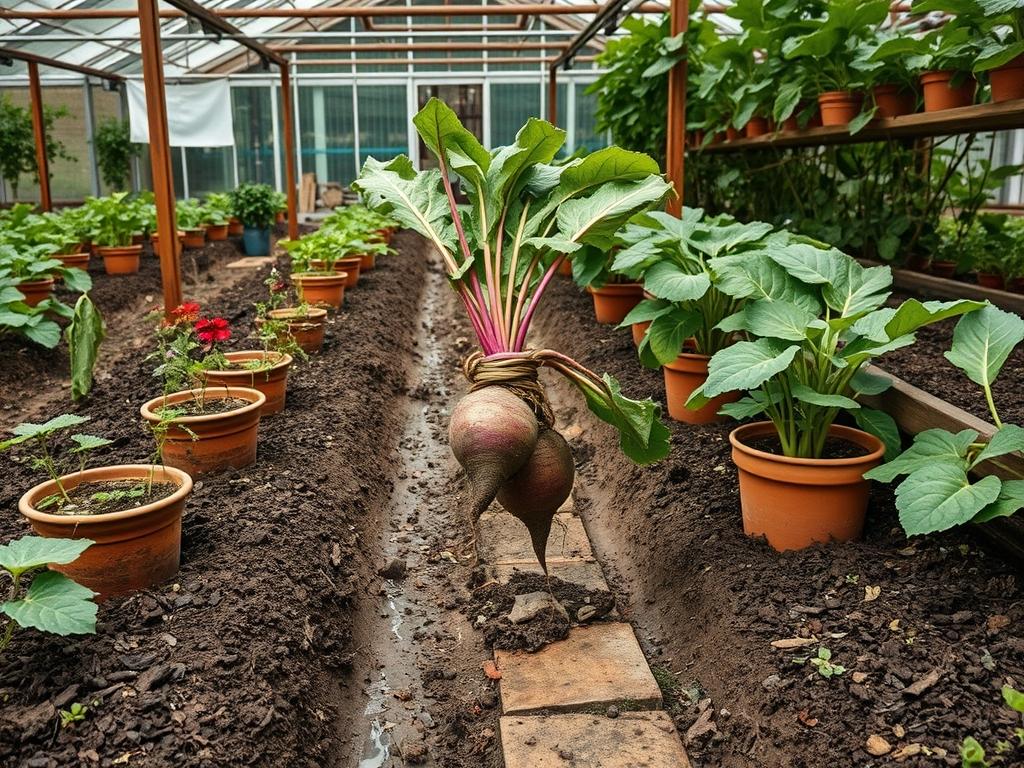
Integrating a production-heavy crop such as the one required for picking ripe sugar beets into a modern residential or estate landscape requires a delicate balance between agricultural utility and aesthetic sophistication. Traditionally, sugar beets are viewed through a purely industrial lens, yet their lush, vibrant green foliage and substantial root systems offer unique opportunities for the forward-thinking landscape architect. When planning an outdoor environment that includes these high-yield tubers, one must consider the transition from the growing season to the final harvest as a significant event in the landscape lifecycle. This process begins with understanding the climatic demands of the region, specifically looking for areas with long growing seasons and cool night temperatures that facilitate sugar accumulation. For a landscape to remain functional and attractive during the months required for maturity, the designer must treat the beet beds as intentional design elements rather than hidden utility plots. Curb appeal is maintained by framing these productive zones with permanent hardscaping or perennial borders, ensuring that the garden remains structural even after the heavy lifting of the harvest is complete.
Landscape Design Principles
Successful integration of sugar beets into a high-end landscape relies on the application of core design principles, specifically symmetry and focal points. Because sugar beets require a significant amount of space to reach their full potential, they are best organized in clear, geometric configurations that provide a sense of order. Use boxwood hedges or low stone retaining walls to define the boundaries of the beet beds, creating a clean lines look that persists throughout the year. Focal points can be established by placing ornamental structures, such as a copper rain gauge or a sculptural birdbath, at the terminus of the primary garden paths. This draws the eye through the lush greens of the beet tops toward a static point of interest.
Elevation layers are another critical consideration for the outdoor consultant. Since the primary action of picking ripe sugar beets happens below the soil surface, the visible portion of the plant is primarily the foliage. To add depth, consider planting sugar beets in raised masonry beds that are approximately 18 inches high. This elevation not only improves drainage, which is vital for preventing root rot, but also makes the physical act of harvesting more accessible. Irrigation planning should be invisible but highly effective; a subsurface drip irrigation system is the professional standard here. This ensures that the water reaches the deep taproots of the sugar beets without wetting the foliage, which reduces the risk of leaf spot diseases. Walkways should be wide enough for a wheelbarrow or a garden cart, typically a minimum of 36 inches, and paved with a stable material like crushed limestone or decomposed granite to handle the weight of the harvest.
Plant and Material Selection
Selecting the right cultivars and supporting materials is essential for a productive and beautiful garden. Below is a professional-grade selection guide for a sugar beet-centered landscape.
| Plant Type | Sun Exposure | Soil Needs | Water Demand | Growth Speed | Maintenance Level |
| :——- | :——- | :——- | :——- | :——- | :——- |
| Sugar Beet (Beta vulgaris) | Full Sun (6+ hours) | Well-drained, Deep Loam | Moderate (1.5″ weekly) | Slow (160 to 180 days) | Moderate |
| Common Marigold | Full Sun | Average, Well-drained | Low to Moderate | Fast | Low |
| Rosemary (Standard) | Full Sun | Sandy, Gritty | Very Low | Moderate | Low |
| Blue Fescue | Full Sun | Dry, Rock-heavy | Low | Moderate | Low |
| French Lavender | Full Sun | Alkaline, Well-drained | Low | Moderate | Medium |
Implementation Strategy
The process of picking ripe sugar beets begins with the careful grading of the site. A site with a 2 percent slope is ideal for preventing water from pooling around the crowns of the beets. If the natural terrain is flat, a landscape architect will typically specify the construction of raised mounds or swales to direct runoff away from the production zone. Once the grading is established, the soil must be prepared to a depth of at least 12 inches. Use a tiller or a broadfork to incorporate organic compost and a balanced 10-10-10 fertilizer into the substrate, ensuring it is free of large rocks or debris that could deform the growing roots.
When the beets are ready for harvest, which is typically indicated by the lower leaves turning yellow and the root crown protruding slightly from the soil, the implementation of the picking strategy becomes paramount. Use a long-handled garden fork to gently loosen the soil in a circle approximately 6 inches away from the base of the plant. This prevents the metal tines from scarring the sugar-rich flesh of the beet. Lift the root with a slow, vertical motion. Throughout this process, keep the wheelbarrow nearby to minimize the distance heavy roots must be carried, protecting the surrounding turfgrass or groundcover from compaction. After the roots are lifted, use a sharp garden knife to remove the foliage, leaving about 1 inch of the stem to prevent the root from bleeding or drying out too quickly.
Common Landscaping Failures
One of the most frequent failures in a combined edible and ornamental landscape is improper drainage management. Sugar beets are incredibly sensitive to “wet feet,” and saturated soil will lead to rapid fungal growth and root decay. If the soil lacks porosity, it must be amended with perlite or coarse sand to facilitate water movement. Another common mistake is root overcrowding. While a dense canopy of beet leaves looks attractive early in the season, failing to thin the seedlings to a distance of 12 inches apart will result in stunted, misshapen roots that are difficult to harvest and lack the desired sugar content.
Soil compaction is another silent killer of a successful landscape. Frequent foot traffic near the beet beds compresses the soil pores, stifling oxygen delivery to the roots. To avoid this, always design the garden with permanent stepping stones or flagstone paths that keep weight off the growing medium. Lastly, irrigation inefficiencies often arise when designers use standard overhead sprayers for vegetable crops. High-pressure water from oscillating sprinklers can displace mulch and expose the delicate crowns of the beets to the sun, causing them to become woody or bitter.
Seasonal Maintenance
Seasonal management ensures that the landscape remains a high-performing asset year-round. In the spring, the focus is on soil testing and temperature monitoring. Wait until the soil temperature reaches 50 degrees Fahrenheit before sowing seeds, as cold soil can lead to poor germination or bolting. Apply a 2-inch layer of hardwood mulch around the young plants once they are established to retain moisture and suppress weeds.
As summer progresses, the task shifts to moisture management and pest scouting. Monitor for the sugar beet root maggot or aphids, treating infestations with neem oil or insecticidal soap as needed. By autumn, the primary focus is picking ripe sugar beets. Cold nights in late September and October are essential for the conversion of starches into sugars. Once the harvest is complete, the site should be cleared of all debris to prevent pathogens from overwintering. In the winter, apply a cover crop such as winter rye or a thick layer of straw mulch to protect the soil structure from erosion and prepare the bed for the following spring cycle.
Professional Landscaping FAQ
How do I know the sugar beets are ready for picking?
Assess the foliage for slight yellowing and check the root crown diameter. A ripe sugar beet typically measures between 3 and 5 inches in diameter at the shoulder. The crown will often lift slightly above the soil line when mature.
What is the best tool for harvesting sugar beets in a garden?
A sturdy garden fork is the superior choice over a spade. The tines allow you to loosen the soil around the root without the high risk of slicing through the beet, which can lead to rot during storage.
Can I use the beet tops in my landscape design?
Absolutely. The large, wavy leaves of the sugar beet provide excellent texture and a deep green color. They function well as a mid-layer plant in a mixed border before they are harvested in the late autumn.
How should I handle soil after the harvest is finished?
After picking ripe sugar beets, the soil will be depleted of specific nutrients. Incorporate well-rotted manure or leaf mold and consider a crop rotation plan to prevent the buildup of soil-borne diseases in that specific garden zone.
Does mulch affect the sugar content of the beets?
Indirectly, yes. Organic mulch regulates soil temperature and moisture levels. Consistent moisture prevents the growth checks that can cause the roots to become fibrous, ensuring a higher quality and more flavorful harvest at the end of the season.