
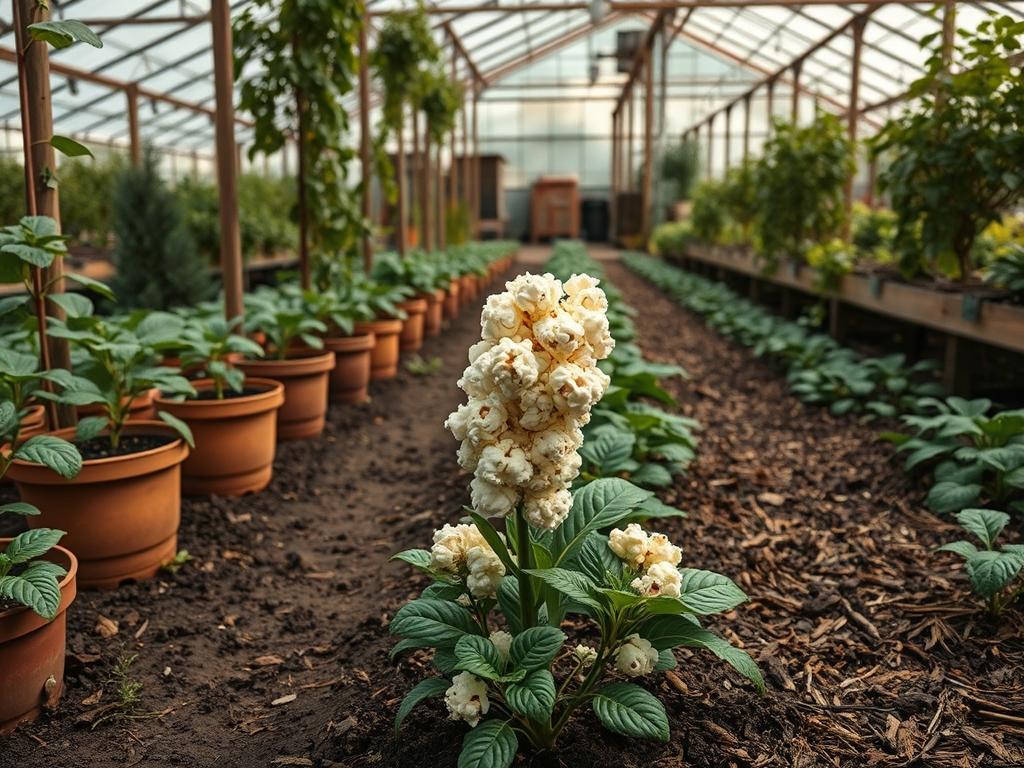
Integrating edible components like Zea mays everta into a high-end landscape requires a sophisticated balance between architectural structure and agricultural utility. While many homeowners view vegetable patches as utilitarian zones relegated to the hidden corners of the backyard, a professional landscape architect views the process of picking fresh popcorn as the culmination of a seasonal design cycle. The tall, linear stalks of popcorn provide a temporary living screen that can define garden rooms or soften the harsh lines of a timber retaining wall. However, the success of this productive landscape does not end at the harvest. The post-picking phase, specifically the drying and curing process, requires its own set of environmental considerations, infrastructure, and spatial planning to ensure the final product is as functional as the plants were ornamental.
Designing a landscape that accommodates both aesthetic beauty and a successful harvest involves understanding the microclimates of your property. For those focused on picking fresh popcorn, the garden layout must prioritize sun exposure and wind protection. Corn is a wind-pollinated species, meaning it must be planted in blocks rather than single rows to ensure full kernel development. From a design perspective, these blocks create bold, vertical focal points that can reach heights of 6 feet to 8 feet. The transition from the field to the curing station is a critical part of the outdoor workflow. As a landscape architect, I recommend incorporating a dedicated transition zone, perhaps a covered veranda or a well-ventilated potting shed, where the crop can begin its moisture reduction process without disrupting the visual flow of the primary outdoor living areas.
Landscape Design Principles
When integrating popcorn into a professional landscape plan, symmetry and elevation layers are paramount. The height of the corn stalks makes them ideal for the “back” layer of a tiered garden bed. To maintain visual balance, use mid-sized shrubs like Boxwood or Hydrangea in the middle ground, with lower-growing perennials or groundcovers at the front. This creates a sloped visual effect that draws the eye upward toward the golden tassels of the corn.
The structural integrity of the crop area is also a concern. High-growth plants like corn require significant nutrients and stable footing. We often specify raised steel planters or heavy-duty timber beds to contain the root systems and manage soil quality effectively. Furthermore, irrigation planning should be finalized before the first seed is sown. Popcorn requires consistent moisture during the silking stage, so a sub-surface drip irrigation system is preferred over overhead sprinklers. This delivers water directly to the roots, reducing the risk of fungal diseases that can ruin the ears before you ever get to the stage of picking fresh popcorn.
Plant and Material Selection
| Plant Type | Sun Exposure | Soil Needs | Water Demand | Growth Speed | Maintenance Level |
| :— | :— | :— | :— | :— | :— |
| Strawberry Popcorn | Full Sun | Loamy, Well-Drained | High | Moderate | Medium |
| Dakota Black Popcorn | Full Sun | High Nitrogen | Moderate | Fast | Medium |
| Glass Gem Corn | Full Sun | Compost Rich | High | Fast | High |
| Common Marigold | Full Sun | Any | Low | Fast | Low |
| French Lavender | Full Sun | Sandy/Gritty | Low | Moderate | Low |
| Creeping Thyme | Full Sun/Part Shade | Well-Drained | Low | Moderate | Low |
Implementation Strategy
The implementation of a productive popcorn grove begins with site grading and soil preparation. Ensure the area has a 2 percent slope to prevent standing water, which can lead to root rot. After grading, the soil should be amended with a 3 inch layer of organic compost to provide the necessary nitrogen levels. For the layout, I recommend a grid pattern with 12 inch spacing between plants. This density is high enough to facilitate pollination but open enough to allow for adequate airflow, which is essential for the health of the stalks.
Once the corn has reached maturity and the husks have turned brown and papery, the process of picking fresh popcorn begins. Use a hand pruner or a sharp garden knife to remove the ears from the stalks. The post-harvest landscape needs an immediate revitalization strategy. As the stalks are removed, the void should be filled with a hardwood mulch or a winter cover crop like Clover to prevent soil erosion.
The curing phase is where technical precision is required. You cannot simply store the corn in a closed bin. To cure properly, the ears must be placed in a single layer on a wire mesh screen or hung in breathable mesh bags. The environment should be cool, dry, and away from direct sunlight. A hygrometer should be used to monitor the humidity of the curing space; ideally, the air should stay below 50 percent humidity. This curing process typically takes four to six weeks. To test if the crop is ready, try to pop a few kernels. If they shatter rather than squash when hit with a hammer, or if they pop successfully, the curing is complete.
Common Landscaping Failures
One of the most frequent mistakes in residential popcorn cultivation is poor irrigation management. Overhead watering often fails to reach the base of the stalks in a dense block, leading to uneven growth. I always recommend soaker hoses buried beneath a 2 inch mulch depth to ensure even distribution. Another common failure is improper spacing. While it is tempting to crowd plants for a fuller look, root overcrowding leads to small, underdeveloped ears that lack the starch density required for popping.
Soil compaction is another silent killer of garden productivity. Walking through the corn block during the growing season compresses the soil, cutting off oxygen to the roots. To mitigate this, design the landscape with permanent stone pavers or stepping stones that allow access to the crop without stepping directly on the planting medium. Lastly, many hobbyists fail to account for drainage. If the area sits in a low spot of the yard, the corn will likely develop “wet feet,” which stunts growth and makes the ears susceptible to mold during the final weeks before picking fresh popcorn.
Seasonal Maintenance
Seasonal management follows a strict cadence. In the spring, the focus is on soil warmth and moisture retention. Use a soil thermometer to ensure the ground has reached 60 degrees Fahrenheit before planting. During the summer, maintenance shifts to pest management and deep watering. Monitor for corn borers and use organic treatments if necessary to protect the developing ears.
Autumn is the busiest season, characterized by the transition from growth to the curing process. Once the husks are dry, harvest the ears and move them to your designated drying area. This is also the time to perform a soil test to check nutrient depletion. Corn is a heavy feeder, particularly regarding nitrogen, and you will likely need to replenish the soil before the next planting cycle. In winter, focus on the hardscape. Inspect retaining walls, clean out irrigation filters, and sharpen your gardening tools in preparation for the coming year.
Professional Landscaping FAQ
What is the best way to tell if popcorn is ready for harvest?
Wait until the husks are completely brown and the kernels are hard and glossy. Use a fingernail to press a kernel; if it resists indentation, it is ready for picking fresh popcorn and subsequent curing.
Can I dry my popcorn in the sun?
Direct sunlight can bleach the kernels and lead to uneven drying. It is better to use a shaded, well-ventilated area like a ventilated attic or a screened porch where airflow is consistent and moisture levels are low.
How long does the curing process typically take?
Usually, it takes between four and eight weeks. The timing depends heavily on the ambient humidity of your storage area. Check the moisture level by attempting to pop a sample of the kernels every week after the initial month.
Why did my popcorn fail to pop after drying?
Failure to pop is usually caused by either too much moisture or not enough. If the kernel is too dry, it lacks the internal steam pressure to explode. If it is too wet, it will simply sizzle and remain whole.
How should I store my popcorn once it is cured?
Once the kernels reach the ideal moisture content of roughly 14 percent, move them into airtight glass jars. Store these in a cool, dark pantry to maintain their freshness and popping quality for up to two years.