
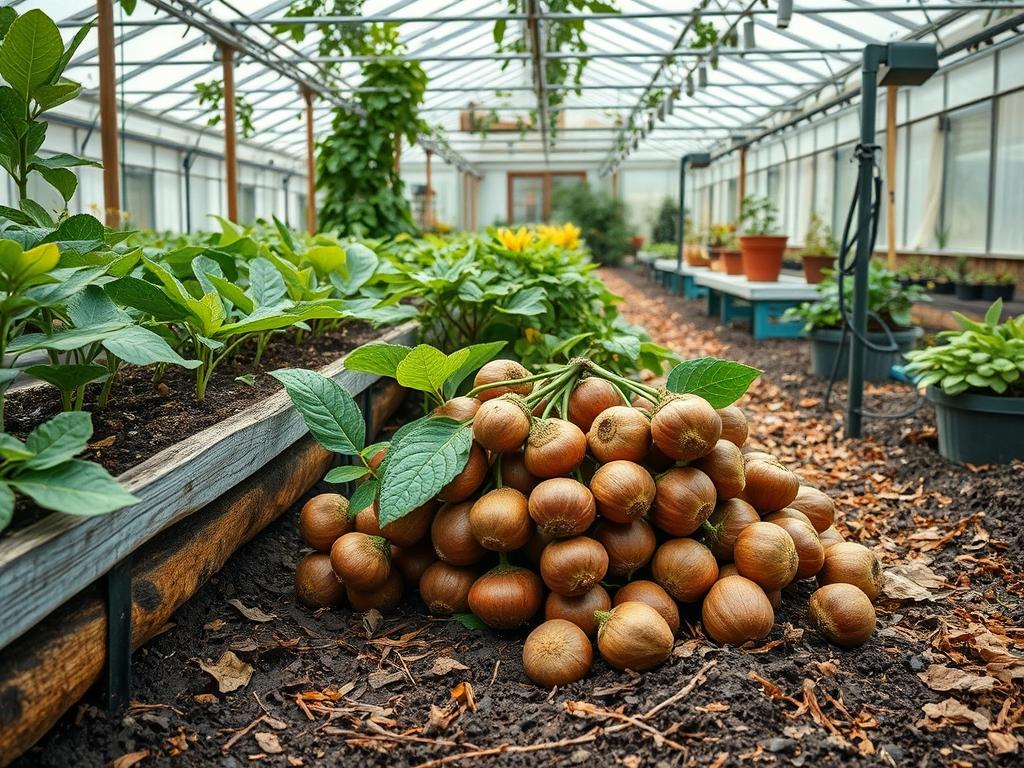
Integrating a specimen tree like the chestnut into a residential or commercial landscape presents a unique set of challenges and rewards. While the towering canopy of a Castanea mollissima or a blight-resistant hybrid provides exceptional shade and architectural grandeur, the fruiting season introduces a specific maintenance hurdle. The primary concern for any landscape architect is the management of the “drop zone,” the area where the notoriously sharp, needle-like burs fall during the autumn months. Designing for this requires a balance between aesthetic appeal and the practical reality of Harvesting Garden Chestnuts safely. A well-planned site prevents these spiky husks from becoming a liability on walkways or high-traffic lawns, ensuring that the outdoor space remains functional throughout the year. We must consider the proximity of the tree to structural foundations, the slope of the land for easy nut collection, and the choice of understory materials that can withstand aggressive raking.
Climate considerations are paramount when positioning these trees within a site plan. Chestnuts thrive in well-drained, slightly acidic soil, and they require full sun to produce a viable crop. From a curb appeal perspective, a mature chestnut serves as a powerful focal point, but its placement must be strategic. We often recommend a setback of at least 20 feet from primary pedestrian arteries or swimming pools. The leaf litter and burs contain tannins that can stain light-colored natural stone or poured concrete if left to sit during a rainy harvest season. By treating the tree as an anchor within a larger “productive landscape” zone, we can create a transition between the manicured garden and the wilder, functional orchard space. This approach maximizes the ecological benefits, such as attracting pollinators and providing wildlife habitat, without sacrificing the clean lines of a professional landscape.
Landscape Design Principles
In professional landscape architecture, symmetry and focal points act as the visual anchors that guide a visitor’s eye through the environment. When incorporating a tree as substantial as a chestnut, symmetry is often achieved by flanking the specimen with mid-sized shrubs or repeating similar textures in the peripheral borders. However, the focal point must be accessible. For a successful harvest, the area beneath the canopy should be designed with “collection zones” in mind. This might involve creating a level terrace using retaining walls if the tree is situated on a slope. Controlled elevation layers prevent the nuts and their prickly burs from rolling into hard-to-reach crevices or neighboring properties.
Irrigation planning is another critical pillar of the design process. Chestnuts require consistent moisture during the nut-filling stage in mid-summer, yet they are highly susceptible to root rot in standing water. A professional layout incorporates French drains or bioswales to redirect excess runoff away from the root flare. Furthermore, walkways should be designed with a “buffer strip” of low-growth, hardy groundcover between the path and the tree’s drip line. This allows the spiky burs to fall onto a soft surface where they are easily visible and can be gathered without obstructing the main thoroughfares. Visual balance is maintained by using varying heights of vegetation; for instance, pairing the high canopy of the chestnut with tiered layers of North American native ferns or ornamental grasses creates a lush, multi-dimensional aesthetic that hides the bare soil often found under dense shade trees.
Plant and Material Selection
Selecting the right companions is essential for maintaining soil health and managing the harvest environment. The following table outlines optimal selections for a chestnut-focused landscape:
| Plant Type | Sun Exposure | Soil Needs | Water Demand | Growth Speed | Maintenance Level |
| :— | :— | :— | :— | :— | :— |
| Chinese Chestnut | Full Sun | Well-drained, Acidic | Moderate | Medium | High (Harvest) |
| Creeping Juniper | Full Sun | Adaptable/Sandy | Low | Slow | Very Low |
| Pennsylvania Sedge | Part Shade | Rich/Moist | Moderate | Medium | Low |
| Dwarf Boxwood | Full/Part Sun | Loamy/Well-drained | Moderate | Slow | Medium |
| New England Aster | Full Sun | Moist/Clay-heavy | Moderate | Fast | Low |
For hardscaping materials, we prioritize non-porous options like thermal-finish bluestone or high-density pavers. These materials allow for easy sweeping of burs during the peak of the season. If a softer look is desired, decomposed granite provides a stable, permeable surface that makes Harvesting Garden Chestnuts much easier than traditional turf grass, where the burs can hide and pose a risk to bare feet or pets.
Implementation Strategy
The successful implementation of a chestnut garden begins with precision grading. The site should have a gentle 1% to 2% slope flowing away from any structures to ensure proper drainage. Once the grade is established, we define the “collection radius” using professional-grade steel edging or Belgian block. This edging serves two purposes; it keeps mulch contained and creates a clear boundary for the harvest zone.
During the planting phase, the hole for the tree should be dug twice as wide as the root ball but no deeper, ensuring the root flare remains at or slightly above the finished grade. After planting, we apply a 3-inch layer of hardwood mulch or pine bark nuggets. Mulch is critical in a chestnut landscape because it provides a protective cushion for the falling fruit and makes it significantly easier to spot the brown burs against a dark background. Hardscaping elements, such as a stone bench or a low fieldstone wall, should be placed just outside the drip line. This provides a staging area for tools like protective leather gloves, collapsible buckets, and nut rollers during the active harvest period.
Common Landscaping Failures
One of the most frequent mistakes seen in residential orchards is improper spacing, leading to root overcrowding. A chestnut tree can have a canopy spread of 40 to 50 feet at maturity; planting them too close to other large trees or structures results in poor air circulation and increased disease pressure. Furthermore, soil compaction is a silent killer of mature specimens. Heavy foot traffic or vehicle use under the canopy compresses the soil pores, cutting off oxygen to the feeder roots. In professional designs, we often use permeable pavers or suspended pavement systems if a path must cross the root zone.
Irrigation inefficiencies also plague many garden layouts. Over-watering in the late fall can prevent the tree from entering dormancy correctly, while under-watering in July can cause the tree to drop its crop prematurely. Lastly, many homeowners fail to account for the “tannin wash” from the leaves and husks. Placing a white marble statue or a light-colored wooden deck directly under a chestnut tree will result in permanent staining within just a few seasons. We advise using darker materials or placing these features upwind of the seasonal debris.
Seasonal Maintenance
Seasonal management is the key to longevity for both the tree and the landscape’s aesthetic. In the Spring, focus on structural pruning to remove any dead or crossing branches. This is also the time to apply a balanced fertilizer and refresh the organic mulch to suppress weeds. During the Summer, monitor for pests like the chestnut weevil. Regular irrigation should be maintained, ensuring the soil remains moist to a depth of 12 inches.
Autumn is the most labor-intensive season, centered around Harvesting Garden Chestnuts. Because the burs are incredibly sharp, safety is a priority. We recommend using long-handled nut harvesters or rolling pick-up tools to avoid constant bending and direct contact with the prickles. If manual gathering is necessary, heavy-duty gauntlet gloves are essential. The burs should be collected every 2 to 3 days to prevent rot and to discourage rodents from nesting in the harvest zone. In the Winter, once the canopy is bare, the landscape should be thoroughly cleared of any remaining husks to prevent them from becoming embedded in the dormant turf or mulch. This is also the time to inspect the drainage grates and swales for any late-season blockages caused by leaf litter.
Professional Landscaping FAQ
How do I prevent chestnut burs from ruining my lawn?
Maintain a clear, mulched circle or a gravel bed at least 15 feet from the trunk. This concentrates the burs in an area where they can be easily raked or vacuumed without getting lost in the grass blades.
What is the best tool for Harvesting Garden Chestnuts safely?
A nut roller or wire-basket harvester allows you to collect the nuts without touching the spiky burs. For manual handling, use thick cowhide gloves and puncture-resistant boots to protect against the sharp spines that can penetrate standard fabric.
Can I plant flowers under my chestnut tree?
Yes, but choose shade-tolerant, rugged species like Hellebores or Epimedium. Avoid delicate plants that might be crushed during the harvest or damaged by the heavy raking required to clear the fallen burs every autumn.
Why are the nuts on my tree small or empty?
Poor pollination or water stress are the usual suspects. Chestnuts generally require a second, different variety for cross-pollination. Ensure your irrigation system provides deep watering during the heat of August when the nuts are rapidly developing.
How do I stop the burs from staining my patio?
Seal your pavers with a high-quality penetrating sealer and sweep the area daily during the harvest. Using a leaf blower is effective for moving the dry burs and leaves off hard surfaces before they become damp and release tannins.